Medical transcription has played a critical role in healthcare, ensuring accurate documentation of patient encounters. The journey from manual note-taking to advanced AI scribes highlights significant technological advancements and improvements in efficiency and accuracy. In this blog, we’ll explore the history of medical transcription, covering in-person scribes, dictaphones, and the latest AI-powered scribes.
In the early days of medical practice, in-person scribes were essential for documenting patient visits. These scribes, often medical students or assistants, would accompany physicians during consultations, recording notes by hand. This method ensured real-time documentation but was labor-intensive and prone to human error.
Benefits of In-Person Scribes
Challenges of In-Person Scribes
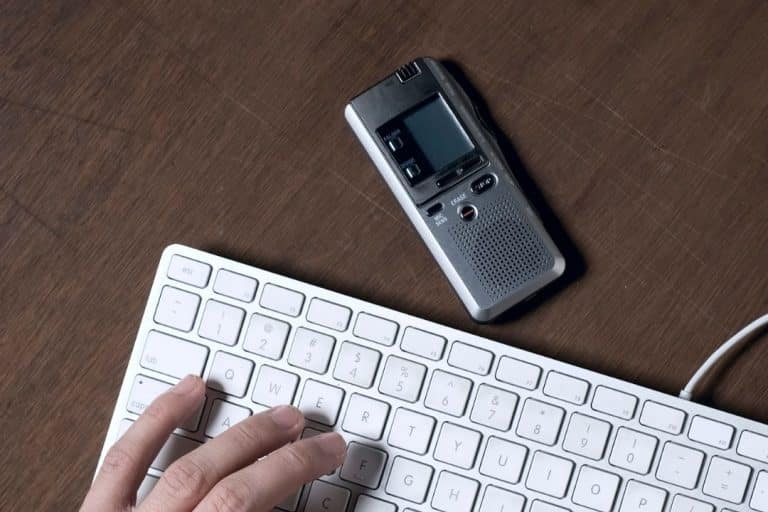
The introduction of dictaphones provided a new method for medical transcription in the mid-20th century. Physicians could dictate patient notes into these devices, recording their thoughts onto cassette tapes. While this was a step forward from handwritten notes, the process was far from streamlined and involved several manual steps.
Benefits of Dictaphones
Challenges of Dictaphones
Challenges of Dictaphones
The adoption of Electronic Health Records (EHRs) in the 21st century marked a significant advancement in medical transcription. EHRs integrated transcription with digital record-keeping, streamlining the documentation process and improving accessibility to patient records. One notable advancement during this period was the use of voice recognition software.
Electronic Health Records (EHRs)
EHRs provided a centralized digital platform for storing and managing patient information. This technology improved the accessibility and organization of patient records, allowing for better collaboration among healthcare providers.
Benefits of EHRs
Challenges of EHRs
Voice recognition software allowed physicians to dictate notes directly into EHR systems. This technology transcribed the spoken words into text in real-time, reducing the need for manual transcription. While promising, it came with its own set of challenges.
Benefits of Voice Recognition Software
Challenges of Voice Recognition Software
Artificial Intelligence (AI) has ushered in a new era of medical transcription. AI-powered scribes use natural language processing (NLP) and machine learning to transcribe medical notes accurately and in real-time. These advanced systems can integrate seamlessly with EHRs, further enhancing the efficiency and accuracy of documentation.
Benefits of AI Scribes
Challenges of AI Scribes
PMHScribe takes the advancements in AI-powered medical transcription and specializes them for psychiatric mental health. This AI scribe solution captures the patient encounter without violating privacy by not storing any recordings. Instead, it focuses on accurately formatting the transcriptions into psychiatric notes, ensuring that the specific needs of mental health documentation are met.
Benefits of PMHScribe
Conclusion
The evolution of medical transcription from in-person scribes to AI-powered systems reflects the broader technological advancements in healthcare. Each stage brought improvements in efficiency, accuracy, and accessibility of patient records. As AI technology continues to advance, the future of medical transcription looks promising, offering even greater benefits for healthcare providers and patients alike.
By understanding this history, we can appreciate the strides made in medical documentation and look forward to a future where AI scribes further enhance the quality of healthcare delivery.